
IBB is the home of many research centers and provides infrastructure and support so that each center does not have to maintain its own staff and resources. Support comes in the form of access to Core Facilities, as well as other services such as accounting, communications and marketing, website support, event planning, multi-investigator proposal development, industry relations, and tech transfer to facilitate center operation.
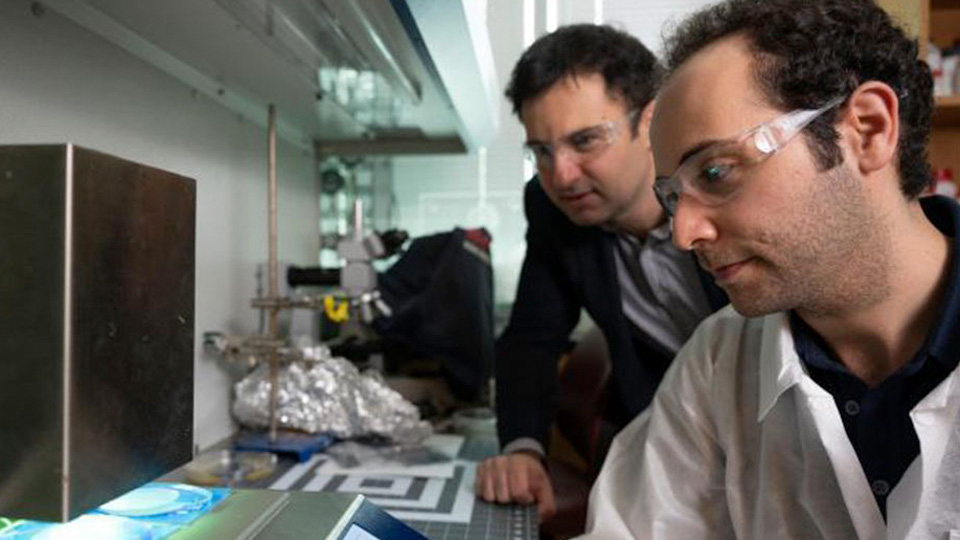
Cancer Technology Innovation Center
Georgia Tech leads the development of transformative innovations to better predict, diagnose, and treat cancer more safely, with fewer side effects, to benefit more patients. The mission of the Cancer Technology Innovation Center (CTIC) is to eliminate the health burden of cancer through technology innovation and cancer research.
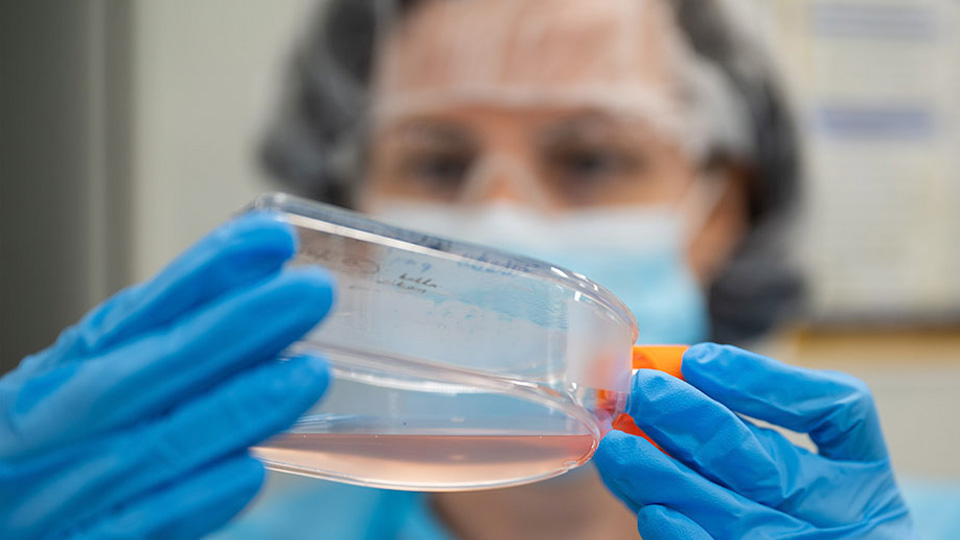
NSF Engineering Research Center for Cell Manufacturing Technologies
The National Science Foundation Engineering Research Center for Cell Manufacturing Technologies (CMaT) enables robust, scalable, low-cost biomanufacturing of high-quality therapeutic cells to bring affordable, curative therapies against incurable chronic diseases to everyone. This has the potential to transform healthcare, improve the economy, add new jobs, and enhance national security.
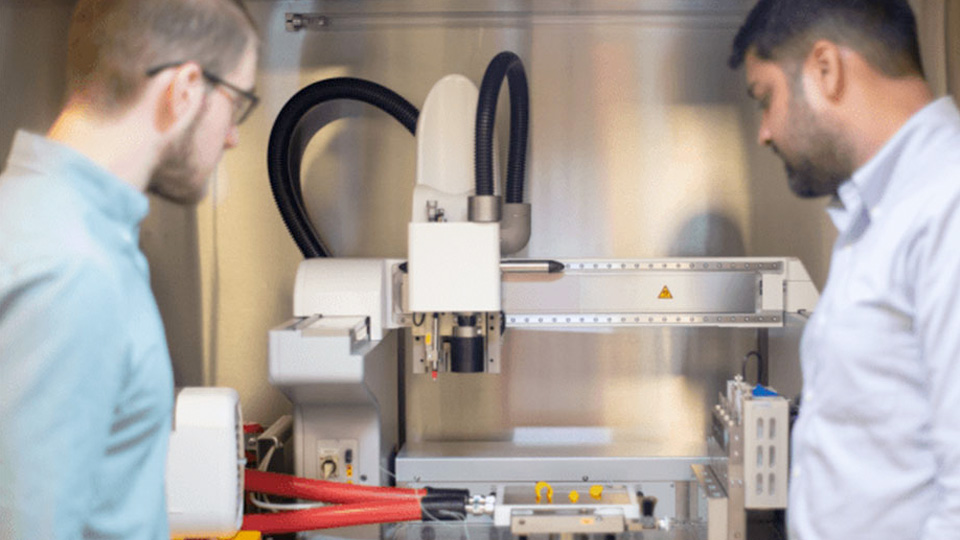
Center for 3D Medical Fabrication
The Center for 3D Medical Fabrication (3DMedFab) at Georgia Tech provides rapid prototyping of a wide range of multiple biomaterials in 3D. We develop models, in vitro, and implantable structural biologic systems for tissue reconstruction, diagnostics, and procedural planning, especially utilizing computational design and 3D biomaterial printing.
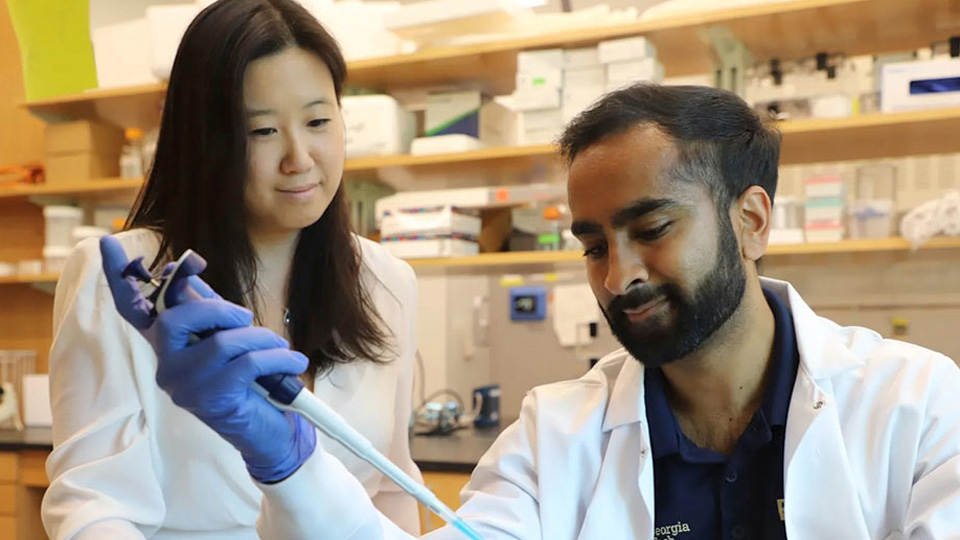
Center for Immunoengineering
At the Center for Immunoengineering, engineers, chemists, physicists, computational scientists, and immunologists come together to collaboratively understand how the immune system works and find breakthrough solutions to improve the lives of patients suffering from cancer, infectious diseases, autoimmune and inflammatory disorders, as well as those undergoing regenerative therapies.
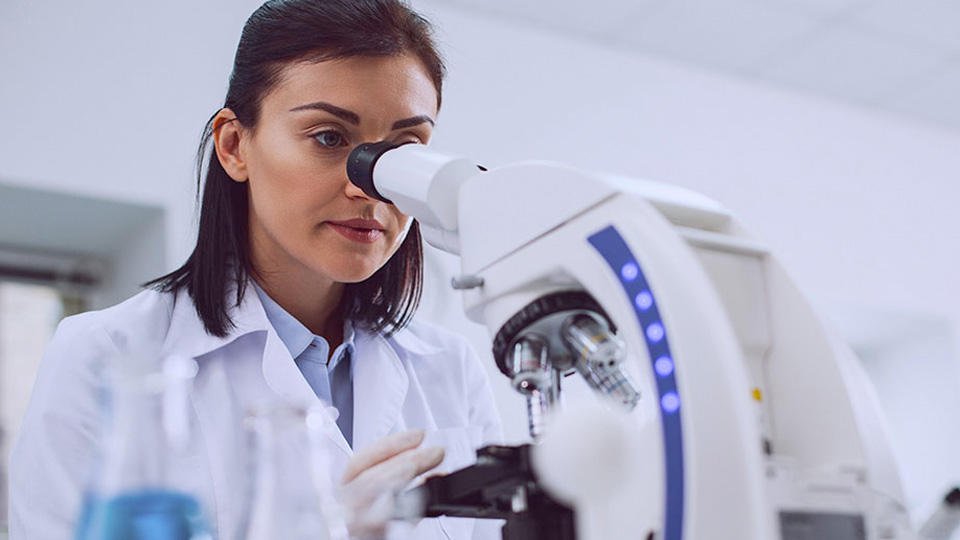
Center for Integrative Genomics
The Center for Integrative Genomics (CIG) is an affiliation of researchers interested in the application of genome-wide research strategies to diverse biological themes. The goals of the center are to conduct quantitative genetic analysis of genomes, transcriptomes, proteomes, metabolomes, and phenomes and to foster partnerships within the School of Biological Sciences, across Georgia Tech, and with collaborators in the Atlanta region.
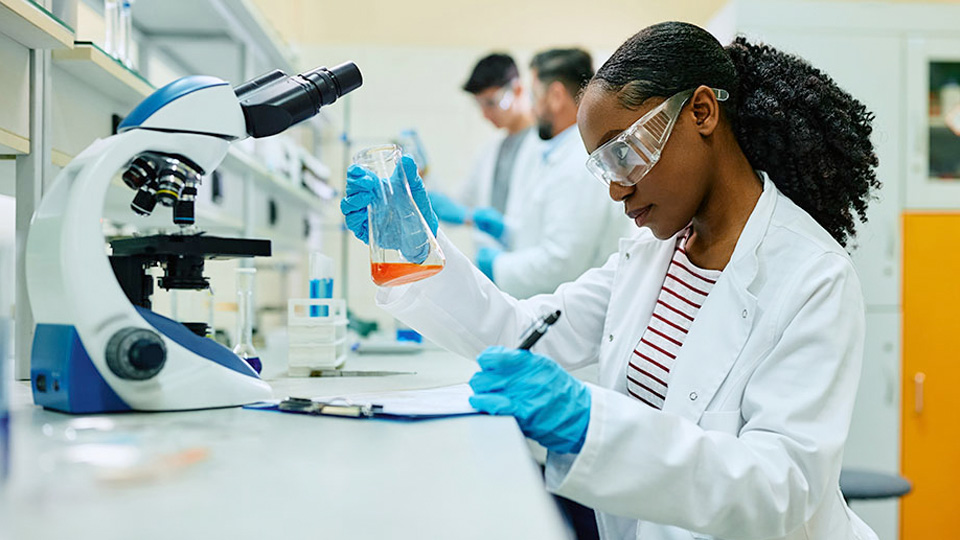
Center for Integration of the Origins of Life
The iCOOL Center is a part of NASA’s Prebiotic Chemistry and Early Earth Environments (PCE3) Consortium, one of five Research Coordination Networks within the Astrobiology Program. The PCE3 Consortium is focused on investigating the delivery and synthesis of small molecules under the conditions of the Early Earth, and the subsequent formation of proto-biological molecules and pathways that lead to systems harboring the potential for life.

Center for Pharmaceutical Development
The Center for Pharmaceutical Development (CPD) brings together university and industry experts to improve how medicines are made, tested, and kept safe. The team works on creating more efficient ways to manufacture drugs, developing methods to keep medicines and vaccines stable for longer, and designing new techniques to check product quality without causing damage — helping ensure a reliable and secure drug supply.
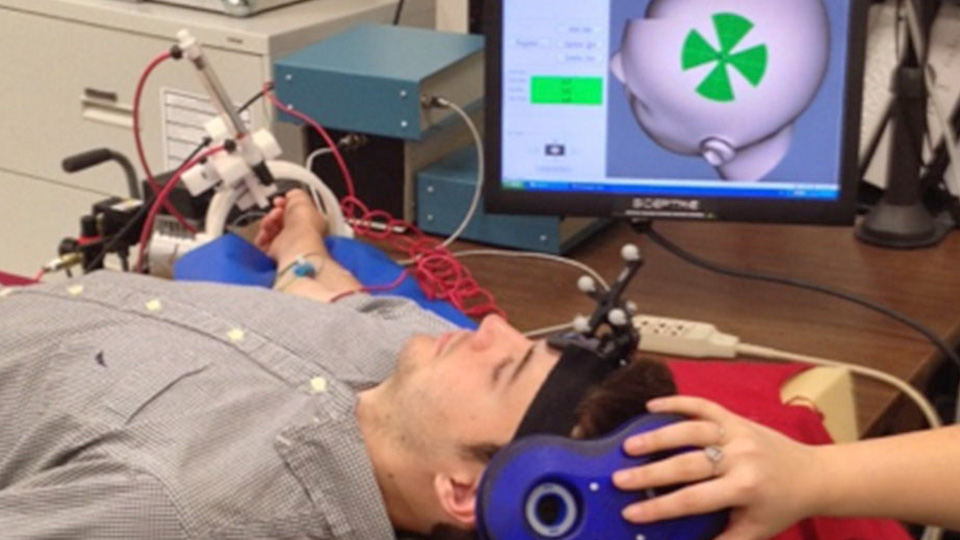
Georgia Center for Medical Robotics
The Georgia Center for Medical Robotics (GCMR) brings together people with expertise in several areas of medicine, as well as technology development from the nano-scale to macro-scale. GCMR is highly interdisciplinary, comprised of researchers from the Georgia Institute of Technology, Emory University, Children’s Healthcare of Atlanta (CHOA), and Morehouse School of Medicine. One of its unique features is that it addresses the needs of both adult and pediatric populations.
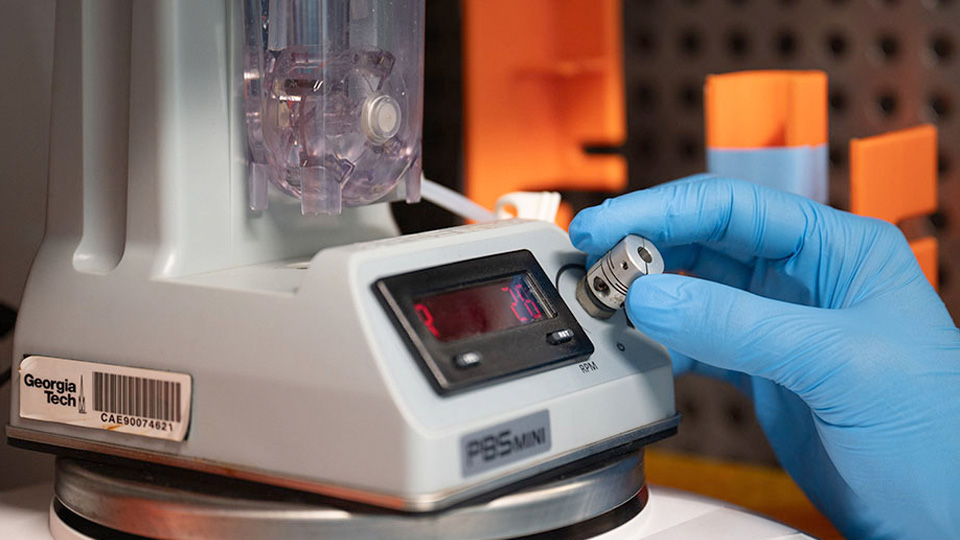
Marcus Center of Excellence for Cell Biomanufacturing
The Marcus Center of Excellence for Cell Biomanufacturing, housed at Georgia Tech, is a team of researchers that provide end-to-end R&D solutions for the whole spectrum of cell manufacturing needs. The center brings together clinicians, industry researchers, product developers, scientists, and engineers to tackle the challenge of highly controlled, well-characterized, efficient, reproducible, and high-quality therapeutic cell manufacturing.
Regenerative Engineering and Medicine Research Center
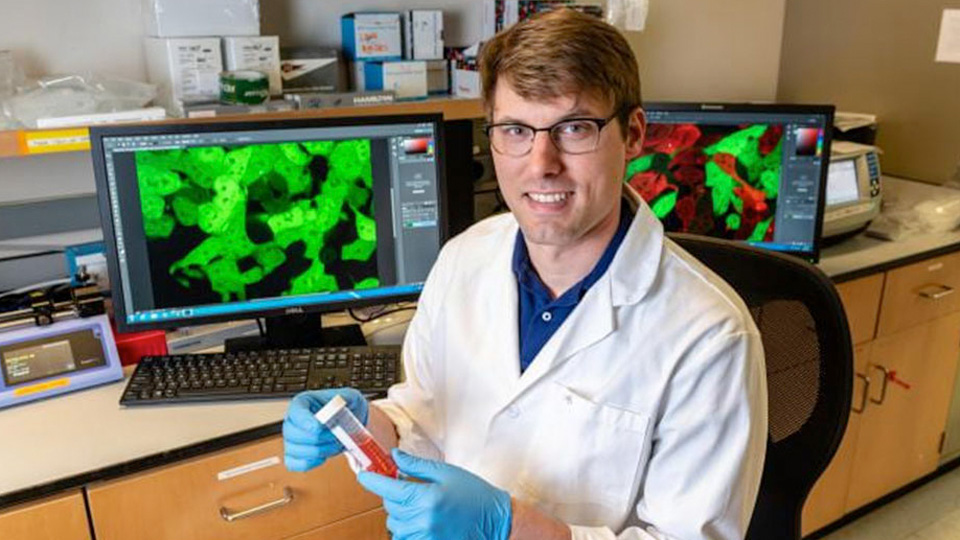
The Regenerative Engineering and Medicine (REM) research center is a joint collaboration between Emory University, Georgia Tech, and the University of Georgia. REM focuses on helping the body heal itself. While tissues like bone, muscle, nerves, and blood vessels naturally have some ability to regenerate, serious injuries or diseases can overwhelm that process. Researchers at REM study how to boost the body’s own repair systems when they cannot keep up on their own.
Spatial Omics and Data Analytics Center
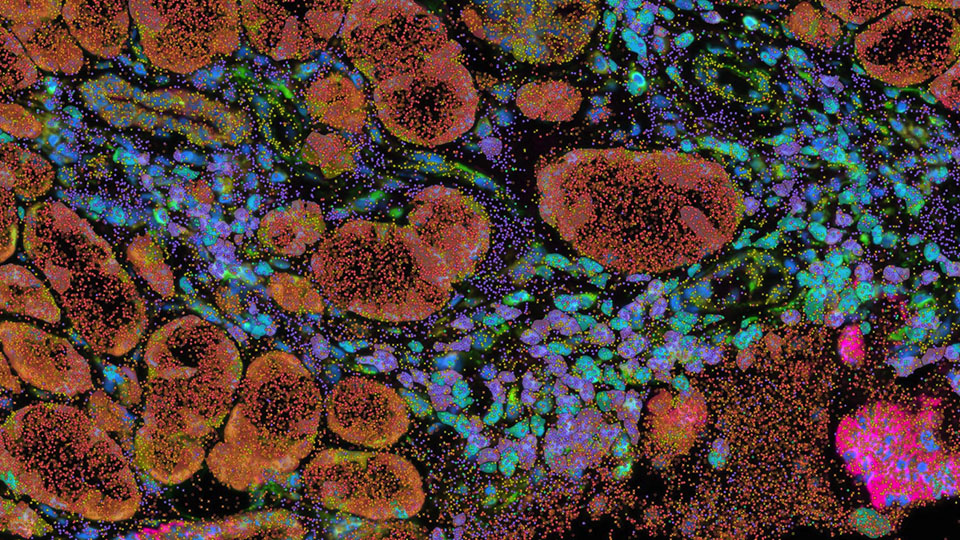
The SODA Center at Georgia Tech envisions a future where complex biological function is understood not merely by molecular components, but by the precise spatial and temporal relationships of those components within tissues and organs. We aim to transcend traditional siloed analysis, engineering an integrated computational framework that transforms raw spatial omics data into predictive models of health and disease.